

If you have ever stared at a cracked outlet cover or a drippy faucet and thought about a full remodel, a micro renovation might be the smarter move your wallet has been begging for. You know that sinking feeling. The one where a “simple Saturday paint job” somehow morphs into a three month ordeal involving drywall dust in your cereal and a credit card balance that makes you wince. You want a fresh, modern home but you are tired of the chaos, the hidden costs, and the shoddy results that scream “cheap flip” rather than “thoughtful update.” This guide strips away the fluff and gives you a surgical approach to upgrading your home. It is not about settling for less. It is about spending smart, targeting high impact changes, and avoiding the expensive traps that swallowed your last weekend project whole.
Key Takeaways
- Micro renovations slash costs to roughly $30 to $45 per square foot, saving you over 50% compared to a full scale remodel that averages $100 to $115 per square foot.
- The most common weekend project failures stem from hidden structural surprises, rushed cosmetic work, and skipped permits that demand expensive rework later.
- Five overlooked upgrades including decorative switch plates, faucet aerators, and smart lighting retrofits deliver dramatic style and efficiency gains without touching a single wall.
Table of Contents
- What Is a Micro Renovation (and Why It’s Not Just “Cheap”)?
- The 3 Biggest Weekend Warrior Mistakes That Kill Your Budget
- The 5 Tiny Upgrades Your Weekend Plan is Missing (and Why They Matter)
- Where to Splurge vs. Save on a Low Cost Home Improvement
- Your 3 Weekend “No Contractor” Plan for a Quick Home Makeover
- Conclusion
- Frequently Asked Questions
What Is a Micro Renovation (and Why It’s Not Just “Cheap”)?
A micro renovation is a strategic, room by room approach that upgrades only the high impact, low labor elements of your home. You are not gutting the kitchen to the studs. You are not relocating plumbing or knocking down load bearing walls. Instead, you are zeroing in on the surfaces, fixtures, and hardware that your eyes and hands interact with every single day. Think fresh paint on tired walls, swapping out yellowed light switches for crisp modern ones, or replacing a builder grade faucet with something that actually feels substantial in your hand.
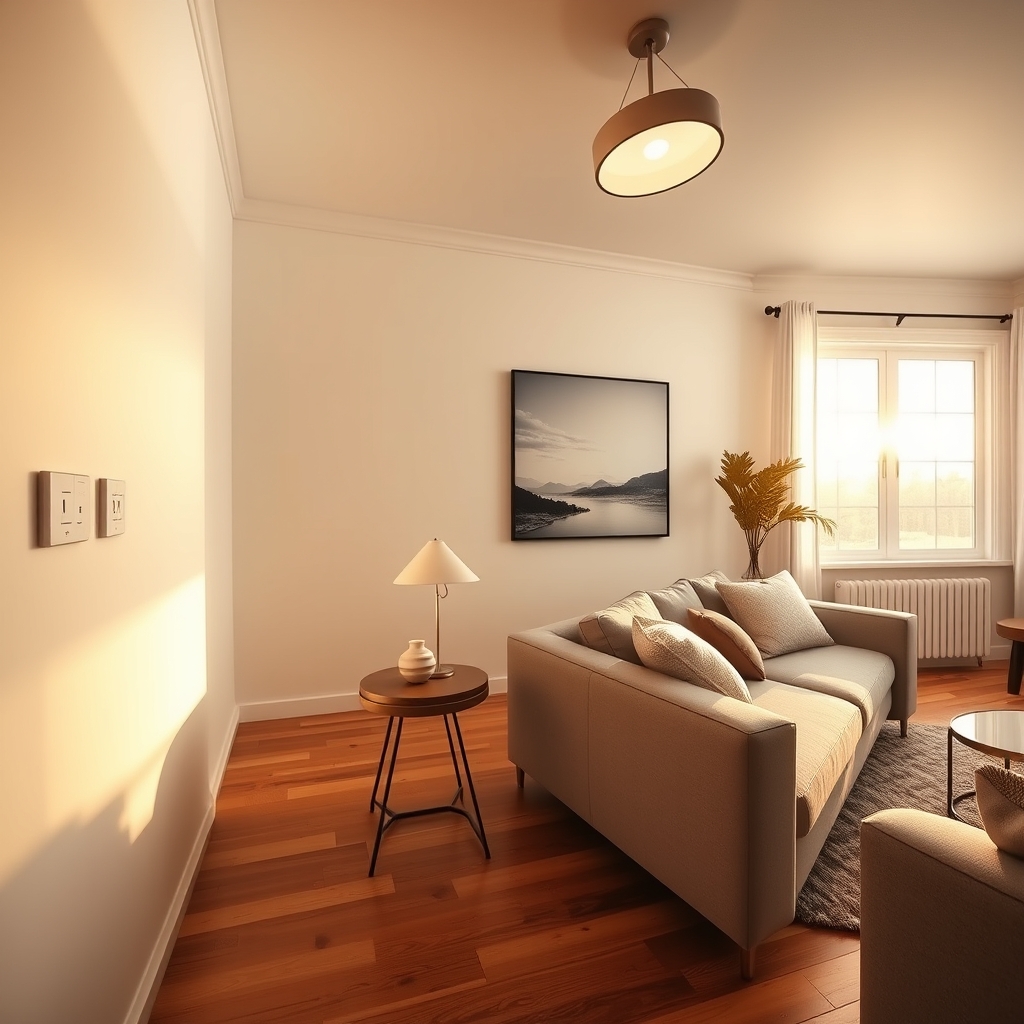
The financial case is what truly separates this from a standard “budget refresh.” Micro renovations that concentrate on fresh paint, laminate or engineered floor replacement, LED lighting swaps, and minor hardware upgrades typically run about $30 to $45 per square foot in 2026. That delivers roughly $55 to $70 per square foot in savings compared with a full scale remodel that averages $100 to $115 per square foot for moderate updates. High end or new construction level upgrades can easily soar to $150 to $300 per square foot, according to data from SoFi’s home remodel cost analysis.
This is not about being cheap. It is a financial hedge against over improving. Many homeowners pour $50,000 into a kitchen only to discover that some home improvements have limited appeal to buyers and may even hurt your sale price when the finishes are too personalized. Micro renovations let you enjoy a polished, modern space now without betting your equity on a remodel the next owner might rip out anyway. These small home upgrades are the antidote to the all or nothing mindset that leaves so many houses stuck in a permanent state of “someday.”
The 3 Biggest Weekend Warrior Mistakes That Kill Your Budget
You have probably lived through at least one of these nightmares. The weekend home renovation that was supposed to take six hours and somehow consumed three paychecks. Recognizing these traps before you swing a hammer is the difference between a satisfying upgrade and a cautionary tale you tell at backyard barbecues.
The first trap is the unexpected can of worms. You pop off a dated light fixture intending to install a sleek new pendant, and suddenly you are staring at knob and tube wiring from the 1920s that needs a full rewire to meet code. A project that started with a $60 fixture quickly spirals into a $3,000 electrical emergency. This exact scenario plays out constantly. One construction firm reported that a 2025 kitchen project in an older home jumped 5.5% over budget solely because outdated wiring was discovered during demolition, as noted in their regional cost guide. The micro renovation philosophy sidesteps this by focusing on surface level changes that do not disturb what lurks behind the walls.
The second trap is rushed workmanship. When you cram too many tasks into a single weekend, quality suffers. Uneven paint lines, misaligned cabinet doors, and lumpy caulk beads announce to anyone who enters that a novice was here in a hurry. These flaws do not just look bad. They wear poorly, meaning you will be redoing the work in two years instead of ten. Slow down. Tackle one room at a time. Your future self will thank you when the trim still looks sharp in 2030.
The third trap is ignoring permits and code requirements entirely. It is tempting to skip the bureaucracy for a “quick” job, but if you touch plumbing, electrical, or structural elements without proper approval, you risk a failed inspection when you eventually sell. That can force you to tear out finished work and start over at double the original cost. Micro renovations deliberately avoid the scope of work that triggers these headaches. Swapping a faucet or a light fixture like for like rarely requires a permit. Moving a gas line or adding a new circuit almost always does. Know the line and stay safely on the cosmetic side of it.
The 5 Tiny Upgrades Your Weekend Plan is Missing (and Why They Matter)
Most budget home refresh articles recycle the same tired advice: paint a wall, hang a shelf, and call it a day. But the real magic lies in upgrades so small that competitors barely mention them. These five items punch far above their weight class in both aesthetics and everyday function.
The first overlooked upgrade is decorative outlet and switch plate covers. Builders install those generic beige plastic plates by the thousand, and they yellow and crack over time. Swapping them for clean, screwless nylon plates in matte white, brushed nickel, or even satin brass instantly sharpens a room. The cost is roughly $3 to $8 per plate and the installation takes about three minutes with a basic screwdriver. It sounds almost too trivial to matter, but once you see the difference, you will notice ugly plates everywhere you go.
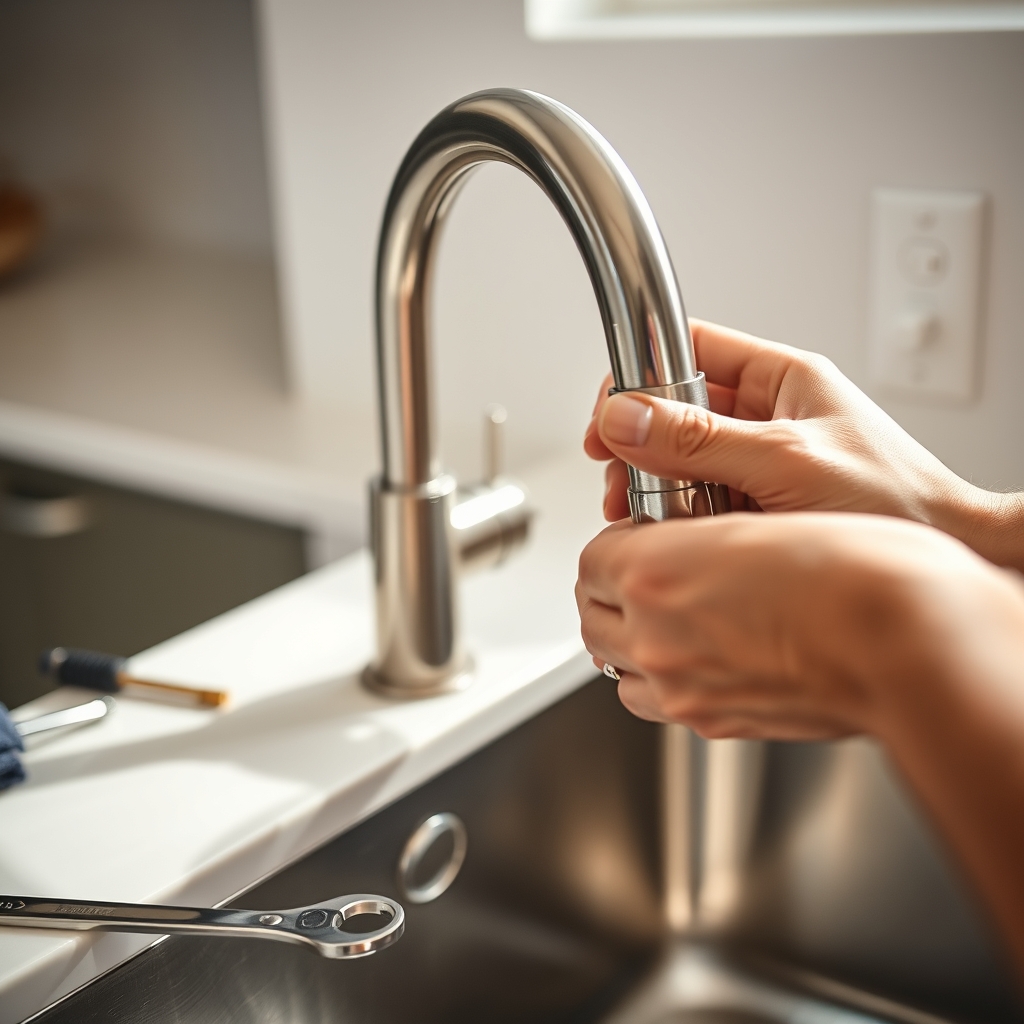
The second upgrade is a faucet aerator swap. If your bathroom or kitchen faucet still has the original aerator, it is probably restricting flow unevenly or wasting water. A new high efficiency aerator costs under $10, threads on by hand, and can cut water usage by up to 30% without reducing pressure you actually feel. While you are at it, replace the shower head too. Modern low flow models have come a long way from the sad trickle of the 1990s. You get a luxurious spray pattern and a lower water bill in the same afternoon.
The third upgrade is a quick install door hardware kit. Interior door knobs and hinges accumulate grime, loosen over time, and quietly date your home. A coordinated matte black or satin nickel set for an entire hallway costs $60 to $120 and installs with nothing more than a screwdriver. The transformation from mismatched brass and chrome to a unified finish feels like a complete hallway remodel for pocket change.
The fourth upgrade is a smart compatible lighting retrofit. You do not need to rewire your house. Simple smart bulbs and smart switches that replace existing toggle switches give you dimming, scheduling, and voice control without touching a single wire nut. A two pack of smart switches starts around $30. Pair them with warm dimming LED bulbs in the 2700K to 3000K range and your living room suddenly has the layered, intentional lighting of a high end hotel lobby. Many top ranking DIY sites still ignore how transformative proper lighting control is for these easy home updates 2026 homeowners are searching for.
The fifth upgrade is a baseboard and simple crown moulding refresh. Over the years, baseboards collect scuffs, dents, and layers of landlord white paint. A crisp new profile, even a simple modern square edge style, frames a room and makes the flooring look newer. If you are already considering LVP flooring as part of your refresh, new baseboards are a logical $2 to $4 per linear foot companion that seals the polished look. For a bolder statement, consider how fluted wall panels can add architectural texture to an entryway or accent wall without the mess of full drywall work.
Where to Splurge vs. Save on a Low Cost Home Improvement
Knowing where to open your wallet and where to clamp it shut is the skill that separates a strategic low cost home improvement from a regrettable corner cutting exercise. The wrong trade off, like saving $50 on paint today, can look terrible in six months and cost you $500 in repainting fees. Use this room by room cheat sheet to make the right call every time.
| Room | Splurge On | Save On | Why |
|---|---|---|---|
| Kitchen | Cabinet hardware, faucet | Cabinet boxes, backsplash tile | Tactile touch points drive perception of quality. Subway tile at $4 per square foot looks identical to $15 tile. |
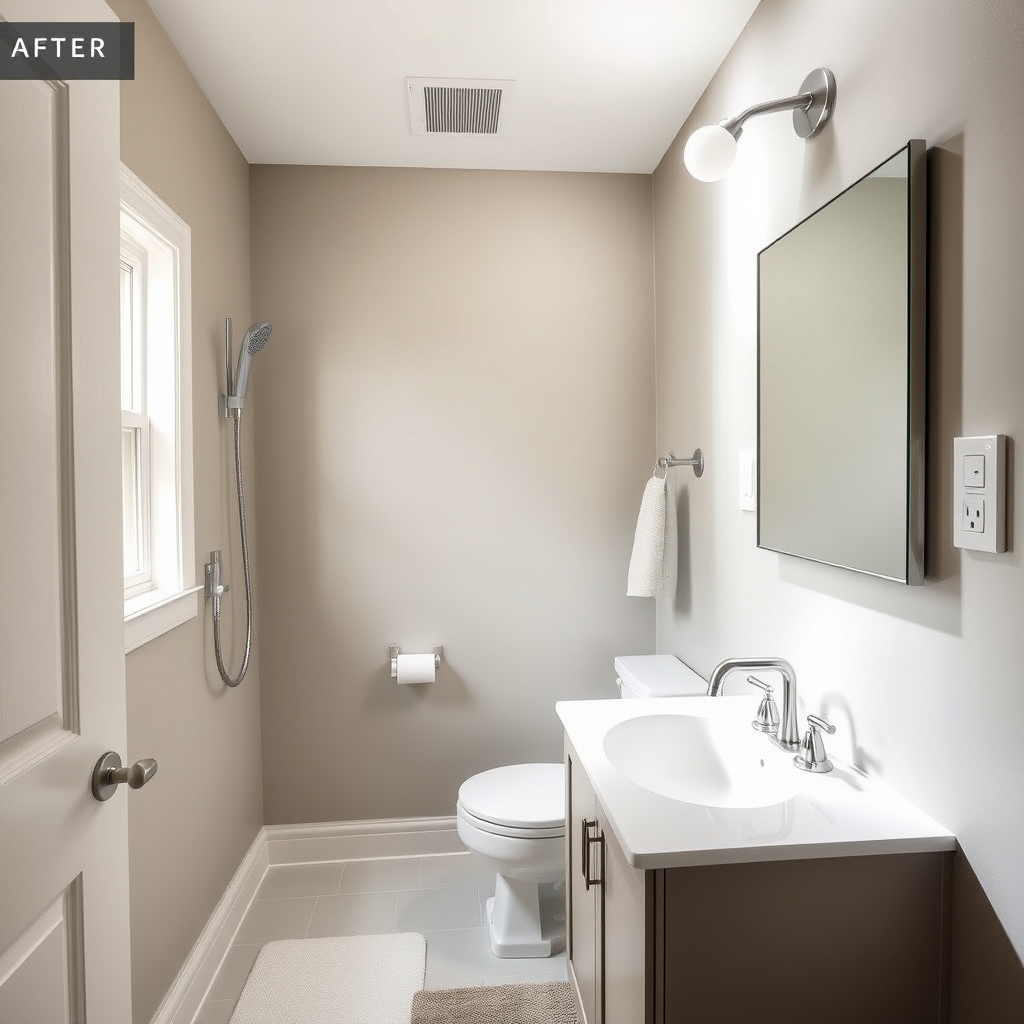
| Bathroom | Shower head, toilet seat, vanity light | Vanity cabinet, mirror frame | A slow close seat and a rainfall shower head feel luxurious. A basic mirror with good lighting looks custom. |
| Living Room | Paint sheen, dimmable lighting | Furniture, decor accents | Eggshell paint in a quality brand hides imperfections. Good light layers make cheap furniture look intentional. |
| Entryway | Door hardware, lighting fixture | Door slab, flooring | A heavy, modern door lever and a statement pendant create arrival impact for under $200 total. |
A low end home remodel including fresh paint, updated hardware, new counters, and flooring typically lands in the $15,000 to $40,000 range. By applying the micro renovation metric of $30 to $45 per square foot, you can calculate a realistic room budget that does not spiral. A 150 square foot bathroom at $40 per square foot comes to about $6,000. That buys you a dramatic transformation without touching the plumbing or the tile. If you are considering major appliance upgrades alongside your refresh, understanding the long term payoff of items like a heat pump water heater or a ventless washer dryer can help you bundle efficiency gains with your cosmetic updates.
Your 3 Weekend “No Contractor” Plan for a Quick Home Makeover
A quick home makeover no contractor needed works best when you follow a specific sequence. Jumping between rooms or mixing prep work with finishing work creates chaos and extends your timeline. This three weekend plan assumes you have basic tools and no hired help. Each weekend focuses on one logical phase so you can live in your home throughout the process.
Weekend One: Audit, Patch, and Prep. Walk every room with a notepad and mark every scuffed baseboard, cracked switch plate, loose door hinge, and dated fixture. Spend Saturday filling nail holes with spackle, sanding rough patches, and tightening anything that moves. Spend Sunday deep cleaning carpets, washing walls with a mild TSP solution, and applying fresh caulk to sinks and tubs. Nothing gets painted or installed yet. This is the unglamorous foundation work that makes every subsequent step look professional instead of rushed. Quick cosmetic fixes and deferred maintenance like repairing caulk and grout dramatically improve the feel of a home before you spend a dollar on decorative upgrades.
Weekend Two: Paint, Plate, and Illuminate. Now you paint. Start with the ceilings if they are dingy, then the walls, then the trim. Use an eggshell sheen on walls for durability and wipeability. As rooms dry, install your new switch plates, outlet covers, and smart lighting retrofits. By the end of Sunday, every room should have fresh paint on the walls and crisp modern plates at every switch. The visual shift at this stage is often startling. If you are feeling ambitious and have a small bathroom or hallway, this is also the moment to swap the old shower head and faucet aerators.
Weekend Three: Hardware, Hang, and Style. Replace every interior door knob and hinge with your coordinated finish. Install new cabinet pulls in the kitchen and bathroom. Hang any new light fixtures that are simple like for like swaps. Touch up any paint nicks from the hardware installation. Finally, style the space with what you already own but arranged intentionally. You will be amazed at how much better your existing furniture looks against walls that do not have yellowed plastic plates and scuffed baseboards. If you want to go one step further, explore how an aubergine kitchen accent or a bold color choice on a single focal wall can inject personality without committing to a full room overhaul.
Conclusion
A micro renovation is not about lowering your standards. It is about raising your standards for how money and time get spent in your home. By focusing on the surfaces, fixtures, and tactile details that you actually see and touch every day, you unlock a level of polish that full remodels often miss while buried in structural work. You save over 50% per square foot, you avoid the hidden horrors lurking behind your drywall, and you do it all without a single contractor walking through your door. Start small this weekend with a screwdriver and a handful of new switch plates. The momentum you build from those first tiny wins will carry you through every room in the house, one smart, surgical upgrade at a time.
Ready to start your first micro renovation? Pick the one room that annoys you most, buy a pack of screwless switch plates, and replace them tonight. The change takes ten minutes. The feeling of taking control of your home is permanent.
Frequently Asked Questions
What is a micro renovation exactly?
A micro renovation is a targeted, room by room approach to home improvement that focuses exclusively on high impact, low labor surface updates. This includes fresh paint, hardware swaps, lighting retrofits, switch plate replacements, faucet aerator upgrades, and baseboard refreshes. It deliberately avoids structural changes, plumbing relocation, and electrical rework that drive up costs and require permits. The goal is to achieve a polished, modern look at $30 to $45 per square foot rather than the $100 to $300 per square foot of a traditional full remodel.
How much can I realistically save with a micro renovation?
Compared to a moderate full scale remodel averaging $100 to $115 per square foot, a micro renovation at $30 to $45 per square foot saves you roughly $55 to $70 per square foot. On a 200 square foot bathroom, that translates to $11,000 to $14,000 in savings. Even a low end traditional remodel typically starts at $15,000 for a whole home, while a micro renovation of a single room can deliver dramatic results for $2,000 to $6,000 depending on the finishes you choose.
Do I need a permit for micro renovation projects?
Most micro renovation tasks do not require permits because they are cosmetic and use existing electrical or plumbing connections. Swapping a light fixture like for like, replacing a faucet, changing outlet covers, painting walls, and installing new door hardware are all permit free in virtually every jurisdiction. However, if you add new circuits, move plumbing lines, or alter the structure, permits become necessary. The philosophy of micro renovation is to stay firmly on the cosmetic side of that line.
What tools do I need for a typical micro renovation?
You can complete the vast majority of micro renovation tasks with a basic toolkit: a Phillips and flathead screwdriver set, a utility knife, a putty knife for spackle, a caulk gun, a paint roller and brush set, a level, and a cordless drill. More advanced but still beginner friendly tools like a brad nailer for baseboard installation can be rented. You do not need a table saw, a tile wet saw, or any specialized plumbing or electrical equipment.
Which room should I start with for the biggest impact?
Start with the bathroom. It is typically the smallest room, which means you can complete the full micro renovation sequence in a single weekend. New switch plates, a modern shower head, a faucet aerator, fresh caulk, and a crisp coat of paint in a light neutral tone can make a dated bathroom feel like a boutique hotel space for under $500. The psychological boost of finishing one room completely will fuel your momentum for larger spaces like the kitchen or living room.