

If you are planning an aging in place renovation you have probably already noticed something strange. Every website quotes a different price for the same project. One contractor says a stairlift costs $2,000 while another quotes $15,000 for what sounds like the same thing. The confusion is not accidental. It is a direct result of how the home accessibility industry markets its services. Advertised prices rarely include the fees that actually determine what you pay. This post pulls back the curtain on those hidden costs, exposing the line items contractors bury in the fine print and the critical gaps competitors leave wide open. More importantly it shows you how to finance an entire whole home accessibility overhaul without draining your retirement savings on piecemeal solutions that never quite solve the problem.
Key Takeaways
- Stairlift advertisements quote $2,000 to $8,500 but hide mandatory maintenance contracts, delivery fees, and security deposits that add thousands to the final bill.
- Grab bar installations are a known scam magnet with contractors charging $450 for three bars without ever visiting the home or assessing wall structure.
- No top ranking accessibility company offers comprehensive wheelchair accessible kitchen planning or transparent whole home financing programs leaving a massive gap in the market.
- The Real 2026 Stairlift Cost: What the Ads Don’t Show
- Walk-In vs. Roll-In Shower: The Hidden Cost Trap
- Why Grab Bar Installation Is a Scam Magnet (Real Complaints)
- The Blind Spot No Top Company Talks About: Wheelchair Accessible Kitchen Layouts
- How to Finance It All Without Losing Your Savings
- Conclusion
- Frequently Asked Questions
The Real 2026 Stairlift Cost: What the Ads Don’t Show
Advertised stairlift prices look deceptively reasonable. A straight rail model runs $2,000 to $8,500 installed. That sounds manageable until you realize the quote you saw online was a bare bones estimate designed to get a salesperson through your front door. The actual cost of a stairlift in 2026 includes several line items that never appear in Google ads or Facebook promotions.
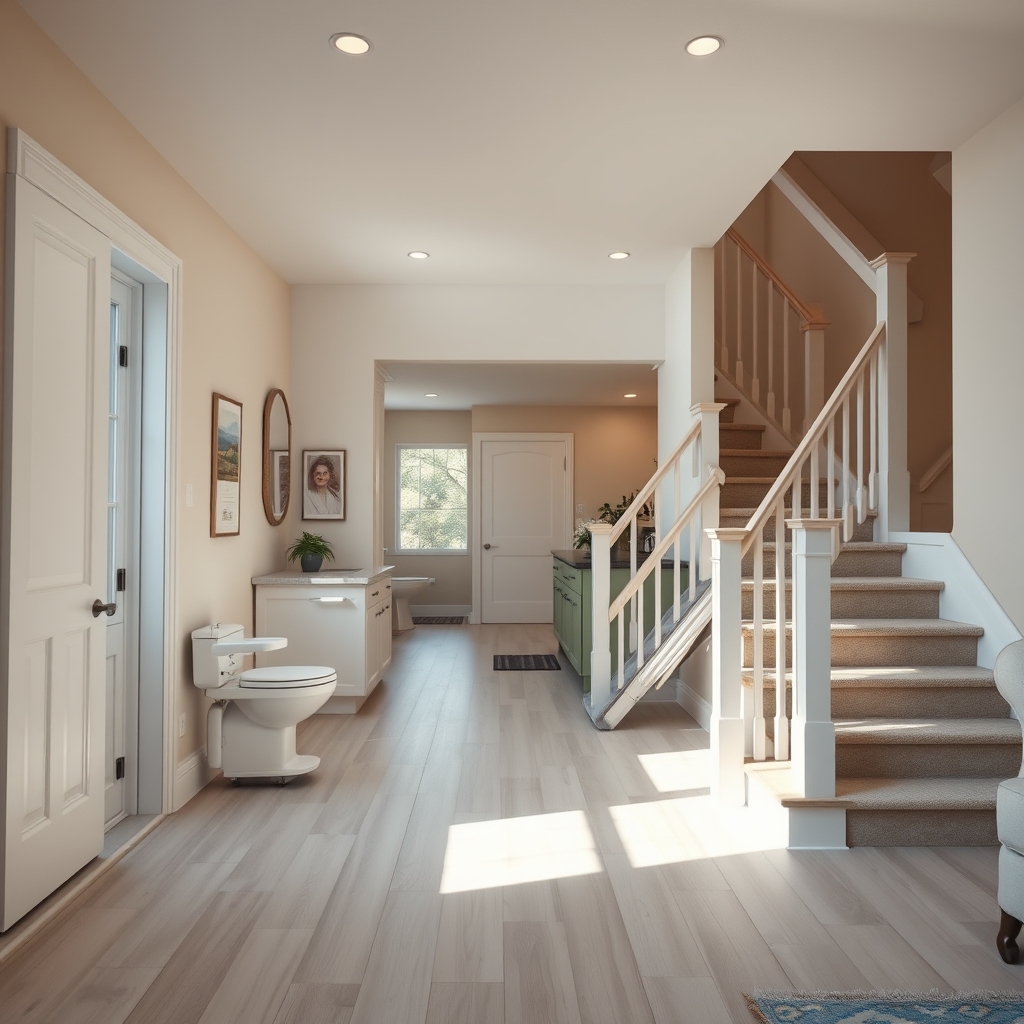
Curved staircases require custom fabricated rails. Those models start at $7,500 and routinely exceed $15,000. Outdoor lifts range from $3,500 to $12,000. Wheelchair platform lifts sit between $4,000 and $15,000 or higher depending on the vertical rise and structural requirements. But the real shock comes from the fees stacked on top. Most dealers charge a delivery fee that is never mentioned in the initial quote. Site specific installation labor gets billed separately even though the advertisement says installation is included. Mandatory quarterly maintenance visits lock you into recurring costs. And a refundable security deposit of $500 to $1,000 is often required before the installer even schedules a date.
Used stairlift units offer some relief. A pre owned straight rail model typically costs $2,900 to $4,500 installed according to Lifeway Mobility pricing data. Financing options start around $79.99 per month. However used curved stairlifts are nearly impossible to find because the rail must match your exact staircase geometry. Rentals present another alternative at $150 to $500 per month but those same service fees still apply. Before you commit to any stairlift purchase ask the dealer to itemize every fee in writing. If they refuse walk away. That single demand weeds out the worst actors immediately.
Walk-In vs. Roll-In Shower: The Hidden Cost Trap
A walk in shower conversion sounds straightforward. You remove the tub install a low threshold pan and add some safety features. Basic models cost $3,000 to $8,000. Wheelchair roll in units run $8,000 to $15,000. Those numbers come from real contractor data across Massachusetts in 2026 as reported by TCP Builders. But the line items hiding beneath those estimates are where homeowners get blindsided.
Older homes almost always have sub floor complications. To achieve a true zero threshold entry the installer must recess the shower pan into the floor. That requires removing or reinforcing 1.5 to 4 inches of floor joists. Structural engineers may need to sign off. If your home was built before 1970 there is a strong chance the plumbing is galvanized steel or worse. Corroded pipes must be replaced before any shower work begins. Permit fees vary by municipality but they are never optional. Skipping permits to save money creates a nightmare when you try to sell the home later.
Full accessible bathroom remodels on Chicago’s North Shore run between $35,000 and $90,000 according to Delta Remodeling. Most primary bathroom conversions land between $50,000 and $75,000. The national average of roughly $8,400 reflects grab bar only retrofits in newer homes with zero structural issues. If your home is older than 30 years expect the number to double or triple once the walls come open. Planning for these hidden costs upfront prevents the project from stalling halfway through when the money runs out.
Flooring choices matter more than most people realize. Wheelchair users need a surface that provides traction without creating rolling resistance. Luxury vinyl plank flooring offers a practical middle ground and we have covered the pros and cons extensively in our LVP flooring guide. Avoid high pile carpet and glossy tile. Both create serious mobility hazards that defeat the purpose of an accessible bathroom remodel.
Why Grab Bar Installation Is a Scam Magnet (Real Complaints)
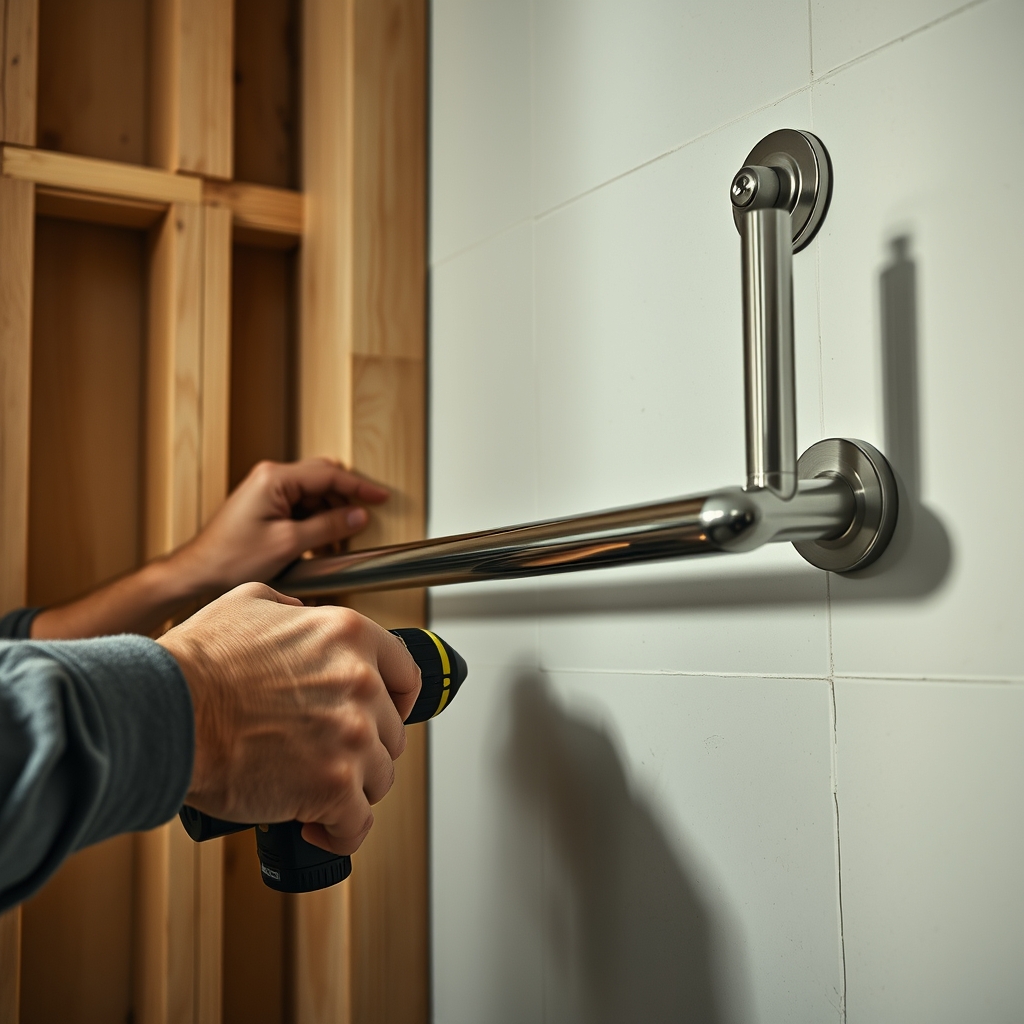
Grab bars should be the simplest part of any aging in place renovation. They are not. Real user complaints reveal a pattern of overpricing that borders on predatory. One homeowner on AgingCare.com reported receiving a quote of $450 for three grab bars from a company that never visited the house and did not know the bar lengths or wall conditions. That is not an outlier. It is the business model.
Suction style grab bars make the problem worse. The Wirecutter testing team found that suction bars are not designed to hold a person’s full weight and are not interchangeable with permanently mounted grab bars despite their similar appearance and marketing. They require checking before every use. They loosen over time. Occupational therapists routinely tell clients to remove them immediately because they create a false sense of security that leads to dangerous falls.
| Installation Type | Typical Cost Per Bar | Reliability | Common Complaint |
|---|---|---|---|
| Suction Cup Bar | $15 to $40 | Poor | Fails without warning, creates false safety perception |
| Wall Mounted (Stud Anchored) | $75 to $150 | Excellent | Requires stud finder and blocking knowledge |
| Wall Mounted (Toggle Anchor Only) | $75 to $150 | Moderate | Can pull out under dynamic force without blocking |
| Contractor Installed (No Site Visit) | $150 to $450 | Unknown | Pricing without inspection, no structural assessment |
A correctly installed grab bar anchored into wall studs or solid blocking can hold far more than body weight. Falls involve dynamic force that multiplies the effective load well beyond static weight. The National Council on Aging and CDC report that the average cost of a fall related hospital visit exceeds $18,000. A properly installed grab bar costs about 1 to 2 percent of that single hospital bill. This is the definition of a cost effective safety improvement.
For homeowners tackling smaller scale updates we have covered how a micro renovation approach can cut costs by 50 percent compared to full remodels. Grab bars fit perfectly into this philosophy. Three well placed bars installed by a handyman who understands blocking cost less than one emergency room copay.
The Blind Spot No Top Company Talks About: Wheelchair Accessible Kitchen Layouts
Here is a fact that should disturb anyone planning an aging in place renovation. Among the top ranking accessibility firms including Lifeway Mobility, Delta Remodeling, T Square, and Mobility Remodelers not a single one provides comprehensive wheelchair accessible kitchen layout planning. Their marketing focuses almost exclusively on bathrooms and stairlifts. The kitchen which is arguably the most used room in any home gets ignored entirely.
This gap exists for a reason. Kitchen accessibility is harder to standardize than bathroom accessibility. Every kitchen has different cabinet layouts, different appliance configurations, and different traffic patterns. Selling a one size fits all kitchen solution is impossible. So most companies simply omit the category from their service offerings. They hope you will not notice that the room where you prepare every meal remains dangerously inaccessible.
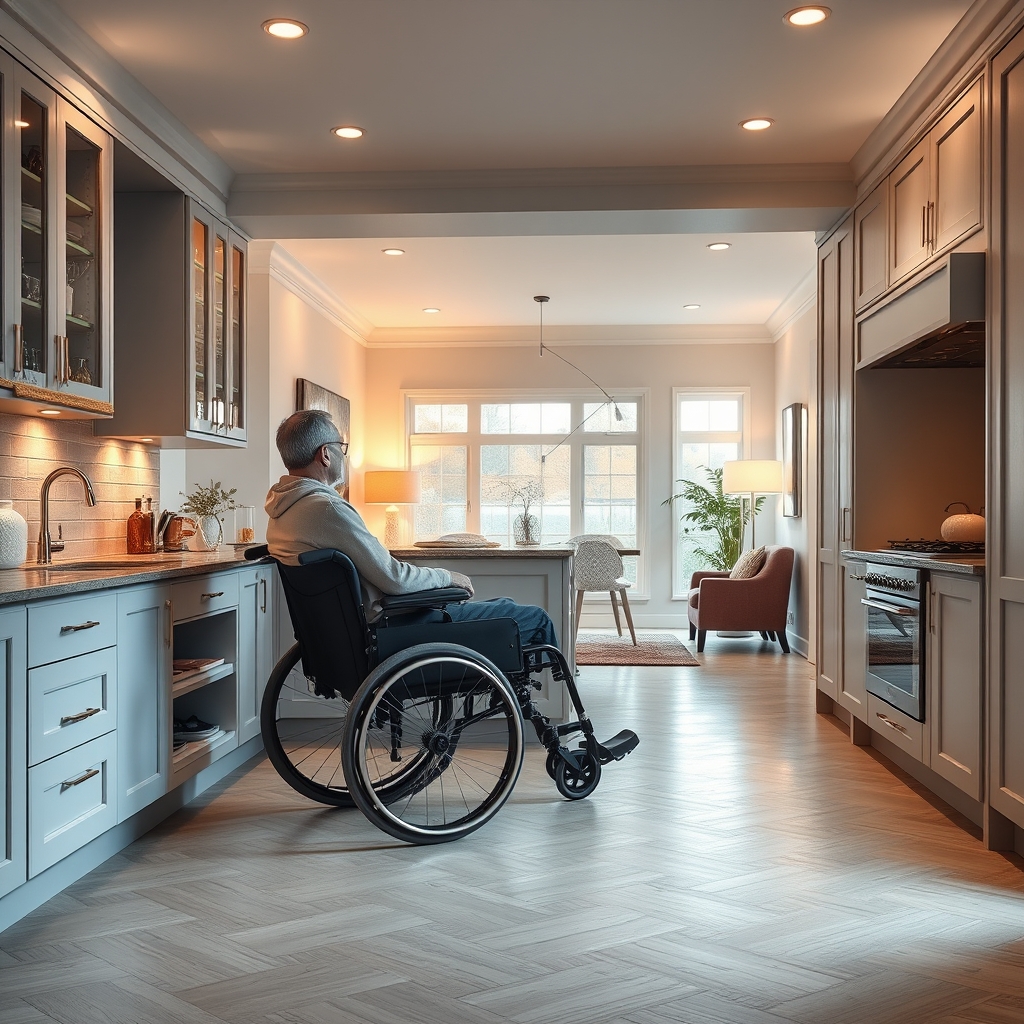
A proper wheelchair accessible kitchen requires at least 60 inches of turning radius. Counter heights must drop to 34 inches or include pull out work surfaces. Sinks need open knee clearance underneath. Appliances must shift to side by side configurations with controls on the front edge. Upper cabinets become largely useless so base cabinet pull out shelving becomes essential. None of the major accessibility contractors address these requirements in their standard service packages. If you want an accessible kitchen you will likely need to work with a general contractor who understands universal design principles or act as your own project manager and piece the solution together yourself.
Small kitchen upgrades can still make a meaningful difference while you plan the larger renovation. Something as simple as swapping cabinet hardware for D shaped pulls improves grip for arthritic hands. Under cabinet lighting eliminates shadows that obscure work surfaces. These small changes echo the philosophy behind our peel and stick backsplash guide where temporary affordable upgrades bridge the gap until a permanent renovation becomes feasible.
How to Finance It All Without Losing Your Savings
Financing a whole home aging in place renovation feels overwhelming because no competitor offers clear transparent guidance on how to pay for it. The information vacuum forces homeowners into high interest credit cards or predatory loans that erode retirement accounts. There is a better way and it involves stacking multiple funding sources to minimize out of pocket costs.
Start with grant funded programs. Many states and nonprofit organizations offer financial assistance for accessibility modifications particularly for veterans and low income seniors. Tub to shower conversion programs using systems like Quick Tub often qualify for full grant coverage because they cost under $2,000 and deliver measurable safety improvements. Check with your local Area Agency on Aging for a current list of available programs.
Home equity loans and HELOCs currently offer competitive rates for borrowers with good credit. Since accessibility modifications increase home value and extend the usable life of the property lenders view these projects favorably. A fixed rate home equity loan locks in predictable payments that make budgeting straightforward. Avoid variable rate products unless you have a clear plan to pay off the balance before rates adjust.
Used equipment rentals bridge the gap when cash is tight. Stairlift rentals at $150 to $500 per month provide immediate access without the upfront capital commitment of a purchase. This approach works especially well for temporary mobility issues like recovery from joint replacement surgery. When the need passes the rental company removes the equipment and the monthly obligation ends.
Prevention economics make the strongest financial case of all. The average fall related hospital visit costs over $18,000. A grab bar installation costs $300 to $500 for a full bathroom set. A stairlift rental for six months costs less than a single night in the emergency room. Every dollar spent on prevention returns multiples in avoided medical costs not to mention the incalculable value of avoiding a life altering injury. Our guide to energy efficient water heaters covers another upgrade that saves money every month while making the home more comfortable and functional for aging occupants.
For laundry access a ventless washer dryer eliminates the need to navigate stairs with heavy baskets. Stacking small wins like this across multiple rooms creates a home that works for everyone regardless of mobility level without requiring a single massive renovation loan.
Conclusion
An aging in place renovation succeeds when you control the scope understand the hidden costs and finance it intelligently. Advertised stairlift prices hide mandatory fees that inflate the real cost by thousands. Walk in shower conversions carry structural and plumbing risks that generic online estimates never mention. Grab bar installations attract scammers who charge premium prices without ever inspecting the walls. And the kitchen the room where families spend the most waking hours remains completely ignored by every major accessibility contractor in the country. If you remember nothing else remember this. Preventing a fall that costs $18,000 or more is always cheaper than doing nothing. Start with the safety basics. Finance them through grants and low interest loans. Build toward the full accessibility plan one funded phase at a time. Your home should serve you for decades not become a barrier you have to leave behind.
Ready to plan your renovation without the hidden fees? Download our free accessibility project checklist or schedule a consultation with a vetted universal design contractor in your area. Your home is worth the investment and so is your safety.
Frequently Asked Questions
How much does a complete aging in place renovation cost in 2026?
A full whole home aging in place renovation typically ranges from $25,000 to over $100,000 depending on the scope. A basic package covering grab bars a stairlift and a tub to shower conversion might total $15,000 to $25,000. Full accessible bathroom remodels run $35,000 to $90,000 in major metro areas. Adding a wheelchair accessible kitchen pushes the total well past $100,000. The final number depends heavily on your home’s age structural condition and local permit requirements.
Are there government grants available for aging in place renovations?
Yes. Several federal state and local programs provide financial assistance. The USDA offers home repair loans and grants for very low income seniors in rural areas. The VA provides Specially Adapted Housing grants for veterans with service connected disabilities. Many states have Medicaid waiver programs that cover home modifications. Nonprofit organizations like Rebuilding Together also offer free or low cost accessibility improvements. Contact your local Area Agency on Aging for a complete list of programs available in your region.
Can I install grab bars myself or should I hire a professional?
DIY grab bar installation is feasible if you can reliably locate wall studs and understand the difference between structural anchors and drywall anchors. The bar must be secured directly into studs or solid blocking to support dynamic force during a fall. If your walls lack blocking in the right locations a professional can open the wall install reinforcement and patch it properly. Given the potential consequences of a failed bar hiring a qualified installer is the safer choice for most homeowners.
Is a stairlift rental better than buying one?
Renting makes sense for temporary needs typically 6 to 12 months during recovery from surgery or while waiting for a permanent renovation. Monthly rental costs range from $150 to $500. Purchasing becomes more economical for permanent needs with new straight rail units starting at $2,000 to $8,500 installed. Used units offer a middle ground at $2,900 to $4,500. Factor in maintenance contracts and service fees when comparing options because rentals and purchases both include them.
Why do so few companies offer wheelchair accessible kitchen remodeling?
Kitchen accessibility requires extensive customization that resists standardization. Every kitchen has unique cabinet layouts appliance configurations and traffic patterns. Unlike bathrooms where a standard 5 foot turning radius and grab bar placement solve most problems kitchens demand individualized design. Most accessibility companies focus on high volume standardized installations like stairlifts and grab bars. The complexity and lower profit margins of kitchen work discourage them from entering the market leaving a significant gap for homeowners who need kitchen accessibility solutions.