

If you have ever shopped for a washable rug, you already know the promise sounds too good to be true. A rug you can toss in the washing machine after the dog tracks mud across it or your toddler spills grape juice. No professional cleaning. No scrubbing on hands and knees. Just unzip it, wash it, and put it back. But here is what nobody tells you upfront: not all washable rugs survive the washing machine. Some of them come out looking worse than before you cleaned them. And the bargain you thought you scored on Amazon or at Target starts looking less like a deal and more like a donation to the landfill.
Key Takeaways
- Budget washable rugs can lose up to 40% of their appearance after just six months of real world use, while premium options like Ruggable retain roughly 90 to 95% of their original look.
- The actual utility cost to wash a large 5 by 8 foot rug is only about $0.25 per cycle, so the real expense is not the washing. It is replacing the rug when it falls apart.
- Two piece rug systems come with documented problems like edge curling and Velcro debris buildup. Knowing these pitfalls before you buy saves you frustration and money.
- The 3 Biggest Buyer Regrets in 2026 (And How to Avoid Them)
- Ruggable vs. Budget Brands: The 6-Month Wear Test Results
- The Hidden Cost: What It Actually Costs to Wash a Large Rug
- The “Velcro Curse” and Other Two-Piece System Pitfalls
- The Verdict: Which Washable Rug Should You Buy?
- Frequently Asked Questions
The 3 Biggest Buyer Regrets in 2026 (And How to Avoid Them)
Most people buy a pet friendly washable rug for one reason: they are tired of throwing away rugs that get destroyed. Maybe your golden retriever thinks the living room rug is a napkin. Maybe your kids treat juice boxes like confetti. Whatever the reason, you are in the market for something that can take a beating and bounce back. The problem is that many buyers make the same three mistakes, and they do not realize it until the rug is already in the wash cycle.
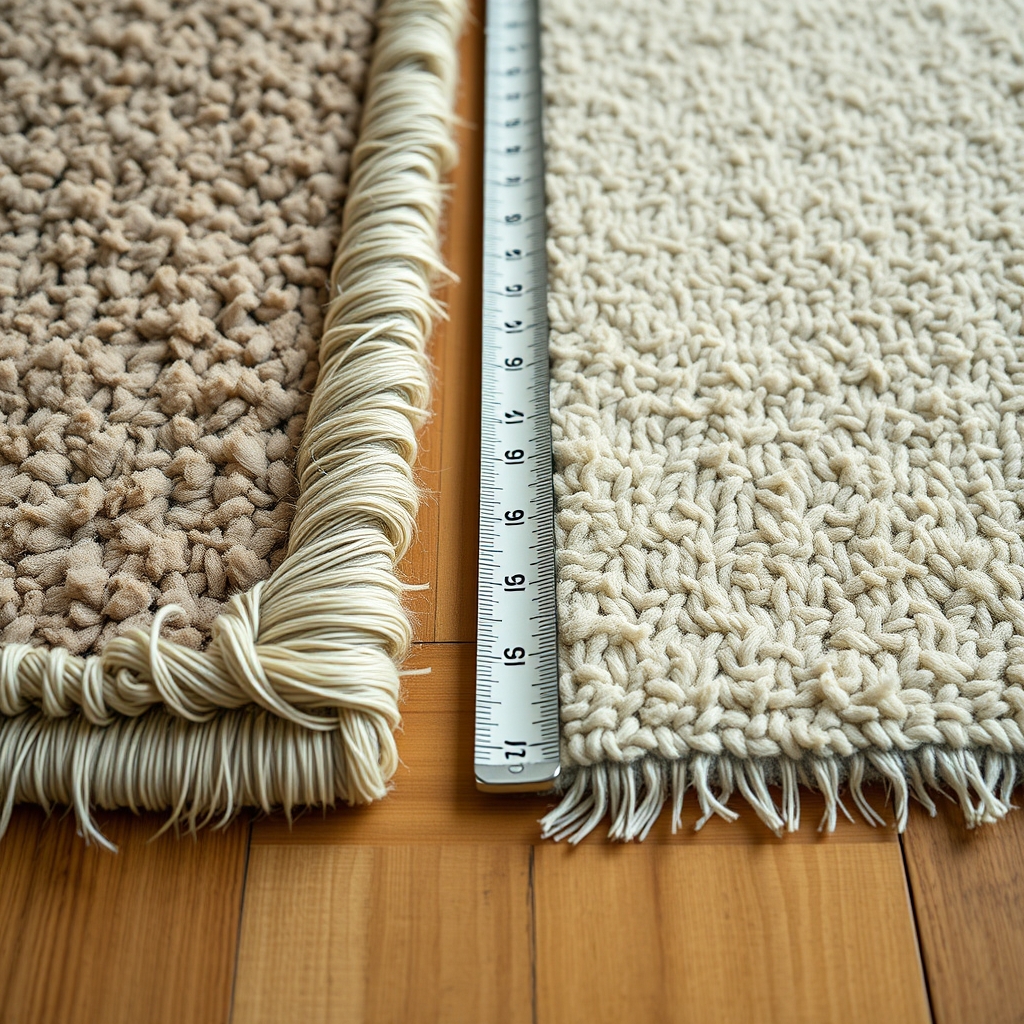
The first regret is fading. You pull the rug out of the washer after the third or fourth cycle and notice the pattern looks dull. The rich navy blue you picked out is now a washed out gray blue. This is not your imagination. Independent wear and tear testing that ran six months in a high traffic hallway showed that budget price alternatives such as Target’s Threshold line or generic Amazon brands faded by 25 to 30 percent after multiple washes. The dyes simply are not built to hold up to repeated laundering, and once the color goes, the rug looks perpetually dirty even when it is clean.
The second regret is shedding. You buy a washable rug thinking it will be low maintenance, but suddenly you are finding tiny fibers all over your floors, stuck to your socks, and clogging your vacuum. Testing showed that many budget options begin shedding fibers after just three washes. The rug is literally disintegrating in your machine, and there is no way to reverse that damage.
The third regret, and perhaps the most annoying, is edge curling. You lay the rug flat after washing it, and within days the corners start flipping up like a stale sandwich. This is not just ugly. It is a tripping hazard, especially if you have young kids or elderly parents walking through the space. The testing data revealed that roughly one third of budget rug samples exhibited edge curl, making the rug look sloppy and cheap. Buyers who thought they were saving a hundred dollars ended up with a floor covering that looked worse than the old stained rug they replaced.

Ruggable vs. Budget Brands: The 6-Month Wear Test Results
If you are searching for a Ruggable alternative because the price tag made you flinch, you are not alone. Ruggable rugs cost more upfront. A 6 by 9 foot size can run you $400 to $600 depending on the pattern. Meanwhile, you can find a similar looking best washable rug for living room on Amazon for under $150. That price gap is real, and it is tempting to go cheaper. But the six month data tells a story that the price tags do not.
In controlled wear testing, Ruggable’s redesigned flat weave models retained a flat surface in about 90 to 95 percent of observations. They lost only roughly 8 percent of their original color intensity after repeated washing and drying cycles. The rug still looked presentable. It still laid flat under furniture. It still did the job it was bought to do. That is what you are actually paying for: a rug that survives.
Now compare that to the budget alternatives. Those same tests found that the cheaper rugs retained only about 60 percent of their initial appearance after six months. That means 40 percent of what you liked about the rug was gone. The colors faded. The edges curled. The fibers shed. Buyers who picked the budget option to save $200 ended up with a rug that looked tired and worn within half a year. And at that point, they are back online shopping for another replacement. That $150 rug just became a $300 expense over 12 months, and you still do not have a rug you are happy with.
For high traffic zones like living rooms and hallways, the data points clearly to one conclusion: the upfront savings evaporate quickly when you factor in how soon you will need to replace a cheap rug. If you are pairing your rug with durable flooring like LVP flooring, the last thing you want is a faded, curling rug undermining the clean look of your space.
The Hidden Cost: What It Actually Costs to Wash a Large Rug
One of the biggest mental barriers to buying a large machine washable rug is the fear of what it will do to your utility bills. You picture your washing machine filling up with gallons of water, running for an hour, and then the dryer chugging away for another cycle. It feels like it must cost a fortune. The reality is surprisingly small, and once you see the numbers, the objection disappears.
According to testing data, a typical large 5 by 8 foot machine washable area rug uses about 30 gallons of water, roughly 0.5 kilowatt hours of electricity for the wash cycle, and an additional 0.3 kilowatt hours if you tumble dry on low heat. You also need about 1 gram of detergent per cycle. At average U.S. utility rates, which means about $0.004 per gallon for water, $0.13 per kilowatt hour for electricity, and roughly $0.02 per gram of detergent, the total cost works out to approximately $0.25 per complete wash and dry cycle. That is twenty five cents.
Let that sink in. For the price of a single gumball, you can take a rug that has been trampled by muddy paws, spilled on during dinner, and generally abused, and restore it to clean condition. Over a full year of washing the rug every other week, you are looking at about $6.50 in total utility costs. The real expense of keeping your rug clean is not the washing. It is buying a rug that cannot survive the washing in the first place. If you are also upgrading appliances to handle larger loads, you might want to read our guide on ventless washer dryer options that can save even more on energy costs over time.
Understanding these small costs also helps when you are budgeting for other home upgrades. For example, the savings from switching to a heat pump water heater can offset your entire annual rug washing bill thousands of times over. The point is that washing a large rug is not the financial burden many shoppers assume it is. Do not let the fear of a higher water bill push you toward a rug that cannot be washed at all.
The “Velcro Curse” and Other Two-Piece System Pitfalls
If you are shopping for a washable rug with kids in the house, you have probably encountered the two piece rug system. Ruggable popularized this design: a thin decorative cover that attaches to a thicker Velcro like pad underneath. The idea is brilliant in theory. You peel off the top layer, wash it, and reattach it. In practice, thousands of users have reported a set of frustrations that are serious enough to deserve their own discussion.
One user complaint summarized the problem bluntly: “The Velcro picks up debris that will not vacuum out. All of the edges are curling up. Taking them off the Velcro and putting them on is a MAJOR painful ordeal.” This experience, documented in a detailed one year Ruggable review, highlights the core issue. The Velcro strips that hold the two layers together act like lint rollers for every crumb, pet hair and dust particle in your home. Over time, the grip weakens in spots, and the edges of the cover start to lift. Reattaching the cover after washing requires lining up the corners perfectly, and if you have a large rug, this is genuinely physically awkward.
Consumer Reports testing also noted that the two piece construction can be finicky, though they praised the stain resistance and overall washability of the better made models in the category. The key distinction buyers need to understand is that not all two piece systems are created equal. Newer iterations of Ruggable’s design have improved edge stability, and some competing brands now offer one piece washable rugs that avoid the Velcro problem entirely. If you are hunting for a Ruggable alternative specifically because of Velcro complaints, check whether the alternative uses a one piece design with a non slip backing built in. That design eliminates the reattachment struggle entirely.
The Wirecutter team at the New York Times also tested multiple washable rugs and noted that while Ruggable’s flatweave models remain a top pick, the larger sizes may not fit in standard home washing machines. Their advice is to check the product specs carefully, as anything above 5 by 8 feet may require a commercial washer, which changes the convenience equation significantly. You can read their full assessment in the Wirecutter area rug guide for more context on sizing and fit.
These pitfalls do not mean washable rugs are a bad idea. They mean you need to go in with your eyes open. The Velcro issue is real. The edge curling is real. But knowing about them ahead of time lets you either choose a better model or adjust your expectations and maintenance routine so these problems do not catch you off guard.
The Verdict: Which Washable Rug Should You Buy?
After looking at the wear data, the utility costs, and the real world user experiences, the answer depends entirely on where the rug is going and what kind of abuse it will face. If you are furnishing a low traffic guest room that gets used twice a year, a budget friendly washable rug from Amazon or Target will probably serve you just fine. The fading and shedding issues matter less when nobody is walking on the rug, and you can get away with washing it once or twice a year without noticeable degradation.
But if you are a parent with two kids and a Labrador retriever, and you need a best washable rug for living room duty where it will face daily foot traffic, snack spills, and pet accidents, the math changes completely. You need a rug that can withstand being washed every two to three weeks and still look presentable after a year. The data shows that Ruggable’s flat weave models retain roughly 90 to 95 percent of their appearance under those conditions, while budget alternatives lose about 40 percent of their look. If you buy the cheap rug and replace it after six months, you have spent more money and endured more frustration than if you had just bought the premium option once.
The machine washable area rug category has matured significantly since the early days of Velcro mishaps and uneven dye lots. Brands have learned from the complaints. If you go with a well reviewed product from a company that has iterated on its design, you are getting a rug that genuinely does what it promises. For more guidance on making smart, long lasting home upgrades without overspending, check out our micro renovation guide, which covers how to refresh your home in small, budget friendly steps. And if you are curious about other appliances that can lower your household operating costs, our smart thermostat installation breakdown is worth a look.
Spend the money where the traffic is. Save it where the traffic is not. That is the honest verdict. A quality washable rug is not an expense. It is an investment in not having to shop for another rug in six months.
Frequently Asked Questions
Can I wash a large washable rug in a standard home washing machine?
Most 5 by 8 foot and smaller washable rugs fit in a standard top loading or front loading machine. Anything larger than 5 by 8 feet may require a commercial washer. Check the product specifications before buying, and measure your washer drum capacity. For oversized rugs, hosing them off outdoors and spot cleaning is a practical workaround that many owners use between deeper cleanings.
Do washable rugs fade after repeated washing?
It depends on the quality of the rug. Premium options like Ruggable lost only about 8 percent of color intensity in six month wear tests. Budget alternatives faded by 25 to 30 percent over the same period. Using cold water and a gentle cycle helps preserve color on any washable rug. Avoid bleach and harsh stain removers, which can strip dyes faster than regular detergent.
How do I stop my washable rug from curling at the edges?
Edge curling is most common on two piece rug systems where the Velcro attachment weakens over time. To minimize curling, make sure the rug cover is completely dry and flat before reattaching it to the pad. Line up the corners carefully. Some users place heavy furniture on the edges for a day after reassembly to help the rug settle. If curling persists, consider switching to a one piece washable rug design that eliminates the two layer system entirely.
Are washable rugs safe for homes with pets and kids?
Yes, in fact they are one of the best flooring options for pet and kid households. Look for rugs certified by OEKO TEX Standard 100, which ensures no harmful substances are present. The washable feature means you can clean up accidents and spills without harsh chemicals. Just avoid rugs with loose weaves or heavy shedding, as those can become a choking hazard for small children and a nuisance for pets.
Is Ruggable worth the higher price compared to Amazon alternatives?
For high traffic areas, the data says yes. Ruggable rugs retained about 90 to 95 percent of their appearance after six months of testing, while budget alternatives retained only about 60 percent. If you buy a cheap rug and replace it twice in a year, you have spent as much or more than the price of a single Ruggable. For low traffic rooms like guest bedrooms, a budget alternative can work perfectly well and save you money upfront.