

If you are researching whole house water filtration in 2026, you have probably noticed that most pricing guides gloss over the real costs. They quote hardware only and pretend installation is a minor line item. The truth is far more complicated and expensive than most homeowners expect. This guide strips away the marketing fluff and shows you exactly what you will pay, what actually gets removed from your water, and why the flashy all in one reverse osmosis systems generate the angriest reviews online.
Key Takeaways
- A quality whole house filtration system costs $2,200 to $2,500 for hardware plus $1,200 to $1,500 for professional installation. Advanced RO or UV packages can easily exceed $15,000 before hidden pretreatment fees.
- Integrated whole house reverse osmosis systems consistently disappoint owners with low flow rates, high wastewater, and expensive maintenance. A separate point of use RO paired with a carbon or softener system nearly always delivers better value.
- You must test your water before buying anything. Skipping this step leads to undersized equipment, premature media failure, and thousands in preventable replacement costs.
- The Real Price Tag: What You’ll Actually Pay in 2026 (Hardware + Hidden Fees)
- Contaminant Showdown: What the Best 2026 Models Catch That Budget Systems Miss
- The Integrated RO Trap: Why All in One Whole House Systems Get the Worst Reviews
- How to Plan Your Setup (And Avoid the Biggest Budget Busters)
- Conclusion
- Frequently Asked Questions
The Real Price Tag: What You’ll Actually Pay in 2026 (Hardware + Hidden Fees)
Most cost breakdowns you will find online give you a tidy hardware number and stop there. That is not how real life works. When you install a home water filter system, the price on the manufacturer’s website is only the starting point. Professional installation, electrical work, drain hookups, and pretreatment media all stack up fast.
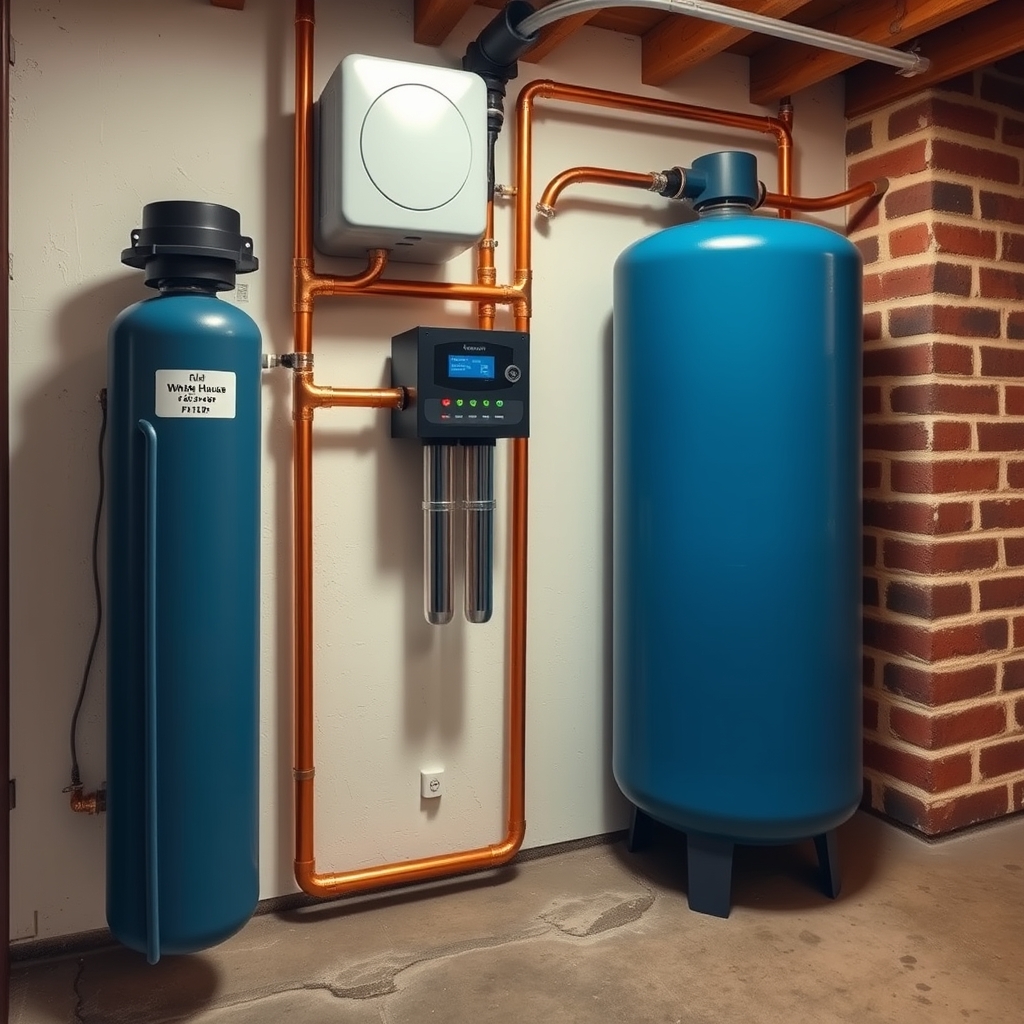
In 2026 the most rated whole house filters such as SpringWell WS typically require an upfront investment of roughly $2,200 to $2,500 for the hardware plus $1,200 to $1,500 in professional installation. That includes the necessary drain, power hookup, and a basic water test kit. You are looking at roughly $3,700 to $4,000 before the system even starts filtering a single gallon.
Mid range multi stage systems average $1,800 to $2,900 upfront. These are solid options for city water homes dealing with chlorine and sediment, but they lack the oxidation power needed for well water with iron and sulfur. If your water is moderately hard or has traces of iron, expect to add a softener or iron filter, which tacks on another $1,000 to $3,000 in pretreatment media and hardware.
Advanced RO or UV enhanced whole house packages run $4,500 to $15,000 plus 15 to 25 percent installation fees. Hidden pretreatment often adds $1,000 to $3,000 for iron or hardness media. Electrical work, mandatory for UV and RO systems, adds several hundred more. Then ongoing consumables push annual upkeep to $600 to $750 for integrated reverse osmosis houses. Membrane swaps cost $300 to $800. Pre filters run $229. Remineralizer cartridges cost another $229. Annual lab testing, which you absolutely need with an RO system, costs $200 to $500.
Standard carbon sediment setups are cheaper to maintain. Filter cartridges cost $30 to $180 and need replacement every three to twelve months. UV bulbs must be replaced annually regardless of whether the light still glows, at roughly $145 each. Softener salt costs $5 to $10 per 40 pound bag, and you will use several bags per month. Annual upkeep for a standard system still lands between $150 and $400. None of this is optional if you want the system to actually work.
Budget guides that quote $895 for a whole house filter are ignoring installation, pretreatment, and consumables entirely. Real cost data consistently shows that the all in price doubles or triples once the system is operational.
Contaminant Showdown: What the Best 2026 Models Catch That Budget Systems Miss
Not all filters are built to handle the same threats. The best whole house water filter 2026 models remove contaminants that cheaper units simply cannot touch. If you are on a private well, this difference matters enormously. A basic carbon block filter will handle chlorine taste and some VOCs. It will not remove dissolved iron, manganese, hydrogen sulfide, arsenic, or PFAS.
Independent lab testing shows that the top models uniquely eliminate iron, manganese, sulfur, PFAS, lead, mercury, chloramine, VOCs, and bacteria. These are contaminants that lower cost or older filters usually miss because they rely only on basic sediment or carbon stages. A single stage sediment filter catches dirt and rust particles. That is helpful but nowhere near sufficient if your water has actual chemical or biological contamination.
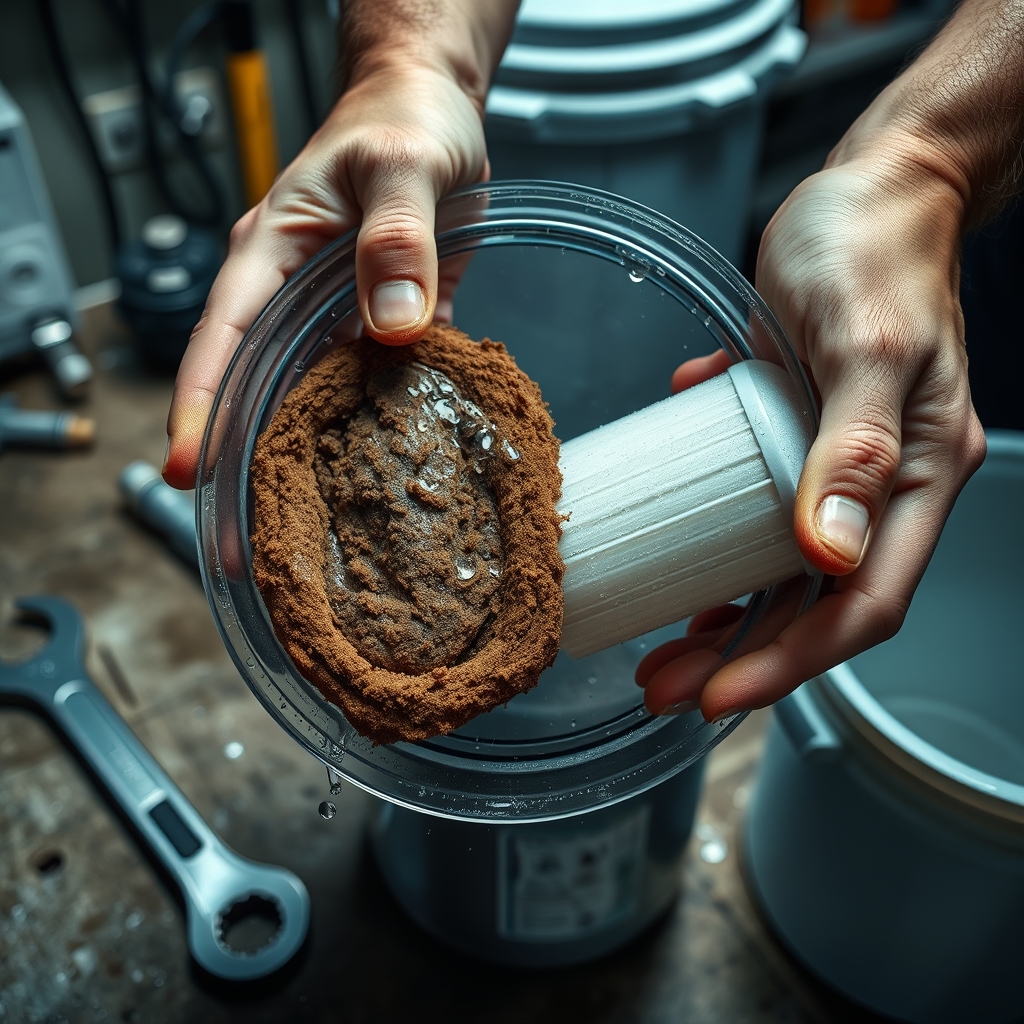
A quality well water filtration system for a home with iron and sulfur issues needs air injection oxidation or catalytic carbon. SpringWell’s WS series uses air injection to oxidize dissolved iron and manganese, then filters the precipitated solids out. Standard carbon blocks cannot do this. If you skip this stage on well water, your fixtures will stain orange and your water will smell like rotten eggs within weeks.
PFAS removal is another dividing line. Basic granular activated carbon can reduce some PFAS compounds, but the contact time is often insufficient. Premium systems use catalytic carbon or specialized media designed specifically for PFAS adsorption. Expert guides confirm that city water customers increasingly need PFAS capable filtration even when their municipal water meets current federal standards. The regulatory landscape is shifting, and the safest approach is to filter proactively.
Bacteria and viruses require UV sterilization or ultrafiltration membranes. A carbon filter alone will not make biologically unsafe water drinkable. If your well has ever tested positive for coliform or E. coli, you need UV. There is no workaround. Pairing UV with the right pre filtration and post treatment protects your entire household from gastrointestinal illness and worse.
The Integrated RO Trap: Why All in One Whole House Systems Get the Worst Reviews
The marketing for integrated whole house reverse osmosis systems sounds compelling. One unit purifies every tap in the house. No separate under sink filter. No bottled water deliveries. The reality, however, is a cascade of compromises that leave most owners regretting the purchase.
The most frequent complaints for integrated RO plus whole house units are dramatically reduced flow rates, high wastewater ratios, complex DIY installation, frequent cartridge or membrane failures, and costly UV lamp or remineralizer replacements. Many users conclude that separate point of use RO units for drinking water paired with a dedicated whole house carbon or softener system deliver better pressure, lower long term expense, and simpler maintenance.
The physics of whole house RO are unforgiving. A typical point of use RO system produces 50 to 75 gallons per day. That is enough for drinking and cooking. A whole house system needs to supply 200 to 400 gallons per day or more for showers, laundry, and toilets. The membrane must be enormous. The storage tank must hold dozens of gallons. The repressurization pump must run constantly. Even with all that hardware, flow rates at the shower often drop below 3 gallons per minute, which feels like a trickle.
| Feature | Separate POU RO + Whole House Carbon/Softener | Integrated Whole House RO |
|---|---|---|
| Flow Rate at Shower | 8 to 15 GPM (excellent) | 2 to 5 GPM (often inadequate) |
| Wastewater Ratio | 3:1 to 4:1 (drinking only, low total waste) | 3:1 to 5:1 (every gallon wasted, huge total) |
| Annual Maintenance | $150 to $400 | $600 to $750+ |
| Installation Complexity | Moderate (plumber can handle) | Extremely high (specialist required) |
| Drinking Water Quality | Excellent (dedicated RO at point of use) | Good but affected by stagnation in large tank |
The reverse osmosis vs whole house filter debate really comes down to a simple question. Do you need pharmaceutical grade water flowing through your toilets and washing machine? The answer is almost certainly no. You need safe, treated water for bathing and laundry, and ultra pure water for drinking and cooking. That is two different jobs requiring two different tools.
Wastewater is another sore point. A point of use RO wastes about 3 to 4 gallons for every gallon of filtered drinking water. That adds up to maybe 15 to 20 gallons per day. A whole house RO can waste 600 to 1,000 gallons daily. On a septic system, that extra hydraulic load can cause drain field failure. On city water, your sewer bill will spike noticeably. Pricing analyses confirm that the true operating cost of whole house RO far exceeds what most sales literature suggests.
Before you commit to any system, perform a water quality test home analysis using a certified lab. If your only concern is lead or PFAS at the kitchen sink, a point of use RO or specialized under sink filter solves the problem for a fraction of the cost. Do not let a commissioned salesperson convince you that every faucet needs RO water. It does not.

How to Plan Your Setup (And Avoid the Biggest Budget Busters)
Getting the equipment order right saves you from replacing expensive media and dealing with chronic pressure drops. Most professionals recommend filter first, then softener, then any additional treatment like UV or reverse osmosis. This sequence protects each downstream component and maximizes the lifespan of your entire investment.
Installing a carbon filter before your softener protects the resin from chlorine damage and extends its life. Chlorine and chloramine progressively degrade softener resin, leading to earlier replacement. With proper upstream carbon filtration, quality resin can last many years. Without it, you may be replacing resin every three to five years at significant expense. Professional maintenance guides emphasize this sequencing as one of the most overlooked details in residential installations.
If you have a hard water filter for house applications, softening comes after sediment and carbon filtration. The softener removes calcium and magnesium that cause scale buildup. Hard water scale destroys water heaters, clogs showerheads, and leaves spots on every surface. A softener is not a luxury. In many regions, it is essential protection for your plumbing and appliances. Budget $800 to $2,500 for a quality softener depending on grain capacity and flow rate requirements.
Salt for softeners costs $5 to $10 per 40 pound bag, and you will use several bags per month depending on water hardness and household size. Filter replacements run $20 to $200 every three to twelve months depending on the type. UV lamps must be replaced annually regardless of whether the light is still on. UV output degrades over time even when the lamp appears functional. Keep the quartz sleeve clean and maintain the 5 micron pre filter to ensure the UV dose stays effective.
One budget buster that catches many homeowners off guard is the cost of a dedicated electrical circuit. UV systems, RO booster pumps, and backwashing control valves all need power. If your installation location is far from your electrical panel, running a new circuit can cost $300 to $800. Budget for this upfront rather than discovering it on installation day.
Drainage is another hidden cost. Backwashing filters and softeners need a drain line that can handle periodic high flow discharge. If your main plumbing stack is not nearby, you may need a condensate pump or dedicated drain line. These add $200 to $600 to the installation. Your home water filter system is only as good as the infrastructure supporting it. If you are already remodeling or doing a micro renovation, bundling the drain and electrical work into the project can reduce costs substantially.
Before you finalize anything, compare your whole house plan against other home upgrades. A heat pump water heater pairs exceptionally well with softened water, since scale free water allows the heat pump to maintain peak efficiency for years. If you are replacing old flooring, LVP flooring handles occasional softener brine spills better than hardwood. These system level decisions matter when you are investing thousands in water treatment infrastructure.
Conclusion
The most important lesson from this 2026 cost and performance breakdown is that integrated whole house RO rarely makes financial or practical sense. A separate carbon or oxidation filtration system paired with a point of use RO at the kitchen sink delivers better flow rates, lower maintenance costs, and far less wastewater. The hardware is simpler. The installation is more straightforward. And when something breaks, which it eventually will, you are not stuck with a single point of failure that takes your entire household water supply offline.
Test your water first. Size your equipment based on real lab data, not generic marketing claims. Sequence your stages correctly. Budget for installation, pretreatment, and annual consumables honestly. These steps separate the homeowners who love their whole house water filtration investment from those who regret it. If you need help with broader home efficiency upgrades, our guides on smart thermostat installation and aging in place renovation cover related decisions that affect your home’s long term comfort and operating cost. And if you are refreshing your kitchen during the water treatment install, our washable rug test results might save you from a regrettable decor purchase.
Take your time. Do the water test. Get three installation quotes. And seriously question any contractor who tries to sell you a whole house RO without first reviewing your water chemistry report. Your wallet and your water pressure will thank you.
Frequently Asked Questions
What does a whole house water filtration system actually remove?
A well designed system removes sediment, chlorine, chloramine, VOCs, pesticides, herbicides, heavy metals like lead and mercury, and depending on the media, iron, manganese, sulfur, and PFAS. UV stages handle bacteria and viruses. No single filter technology removes everything, which is why multi stage systems are the standard for serious water treatment. Always match the media to your specific contaminants based on lab test results.
Is whole house reverse osmosis worth the cost?
For nearly all residential applications, no. Whole house RO costs $4,500 to $15,000 upfront with $600 to $750 in annual maintenance. It reduces flow rates noticeably and wastes hundreds of gallons of water daily. A separate point of use RO for drinking water plus a whole house carbon or softener system achieves better results at roughly half the total cost over a ten year period. Whole house RO only makes sense for homes with extreme contamination that affects showering and bathing water, which is rare outside of Superfund adjacent properties or severely compromised wells.
How often do I need to replace whole house water filter cartridges?
Sediment pre filters need replacement every three to six months. Carbon block filters last six to twelve months depending on water quality and household usage. UV lamps must be replaced annually even if they still glow, because UV output degrades over time. Softener resin lasts several years if protected by upstream carbon filtration. RO membranes last two to five years. Always follow manufacturer schedules and perform annual water testing to catch performance drops early.
Can I install a whole house water filter myself?
Basic single stage sediment or carbon systems can be installed by a confident DIYer with plumbing experience, assuming the installation point already has accessible pipe and no electrical requirements. Multi stage systems, softeners, UV units, and any system requiring backwash drains or electrical hookups should be installed by a licensed plumber or water treatment specialist. Improper installation can cause leaks, pressure loss, and voided warranties. The $1,200 to $1,500 for professional installation is money well spent.
Do I need a water softener if I already have a whole house filter?
Filters remove contaminants. Softeners remove hardness minerals. They serve completely different purposes. If your water is hard, meaning above 7 grains per gallon of calcium and magnesium, a filter alone will not prevent scale buildup in pipes, water heaters, and appliances. You need both, with the filter installed before the softener to protect the resin from chlorine damage. One without the other leaves a significant gap in your water treatment strategy.